Kling 4: Better Video, Clearer Stories

Direct cinematic AI video from a text brief or a still frame — camera moves, motion, and sound composed by the model — then refine with references and settings.

20 0/4

Kling 4

More control over the scene you have in mind

Kling 4 turns visual direction into motion: choose the model, shape the shot, and keep every take in one place.

01

Motion

Physics-aware movement, stable camera work, and action that reads clearly frame to frame.

02

Direction

Prompts are followed literally — subject, blocking, lens, and mood land where you put them.

03

Continuity

Faces, products, and palettes stay consistent across shots, scenes, and whole campaigns.

Introduce Kling 4

A sharper brief-to-video result

Kling 4 is an AI video generation model built for iterative visual work. Give it a clear brief, a start frame, or a few references — it returns clips you can actually cut with.

Kling 4 video generation studio preview
01

Brief-ready prompts

Describe the shot instead of tweaking parameters — Kling 4 parses subject, camera, and intent from natural language.

02

Image-to-video

Start from a still frame: the model animates it while keeping the subject, palette, and lighting intact.

03

Multi-reference direction

Supply subject and style references — Kling 4 holds identity and look across the whole clip.

04

Cinematic camera work

Ask for push-ins, orbits, tracking shots, and rack focus in plain language — the model composes the move.

05

Sound-aware generation

Add ambience and synced audio where the workflow calls for it — no separate foley pass needed.

06

Production lengths

Draft quick 5-second beats or build longer takes for cut-ready sequences.

Kling 4 workflow

Keep what matters. Change what moves the story.

Kling 4 treats every clip as a take you can refine — not a render you have to accept.
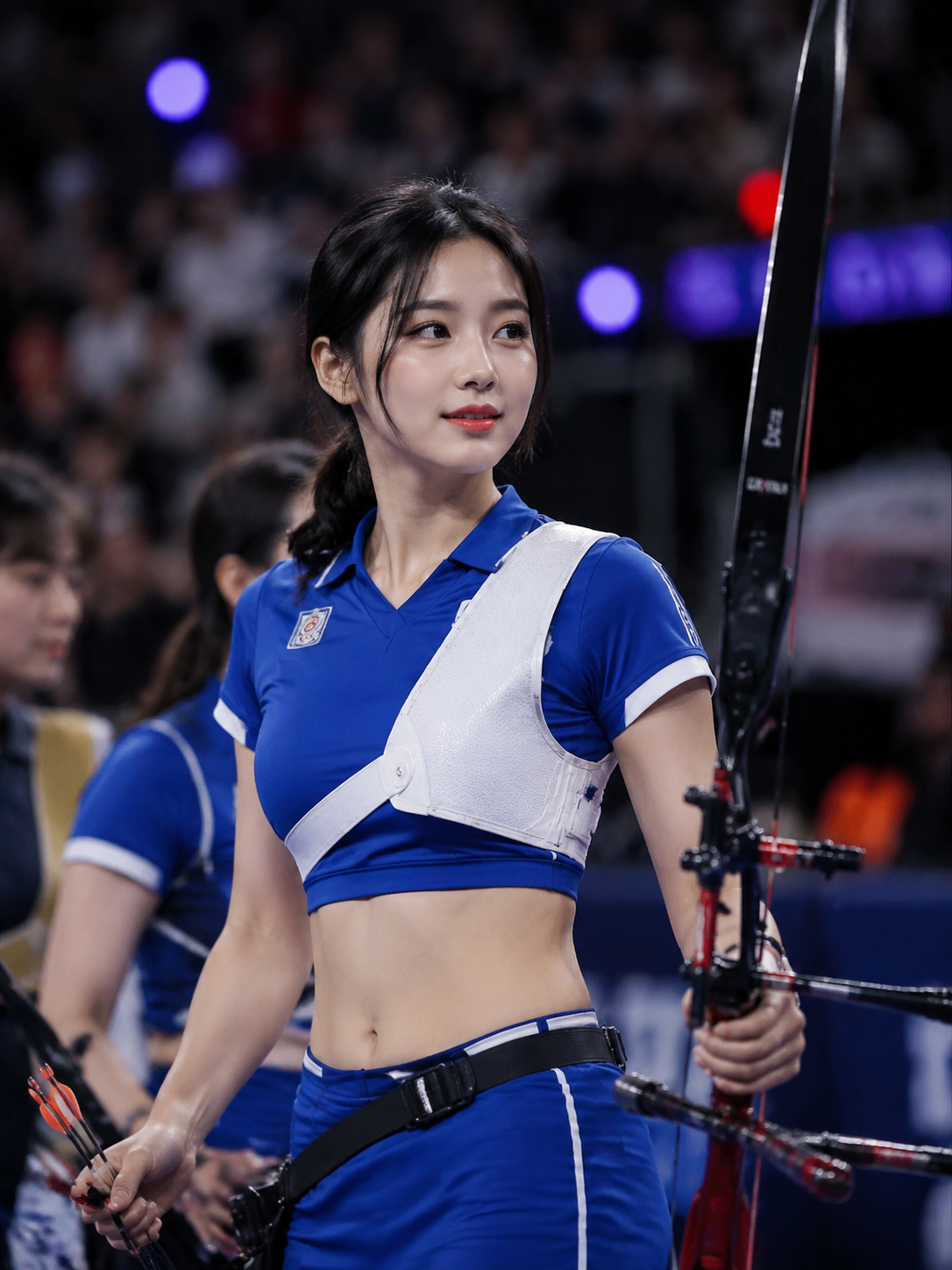
Composing a video brief in Kling 4

Compose

Describe the shot you want

Write the subject, setting, action, and mood. Add a start frame when a product, face, or style has to stay recognizable.

Directing a shot in Kling 4

Direct

Steer the camera

Pick duration and framing. Name the camera move, the pacing, and where the energy should build.
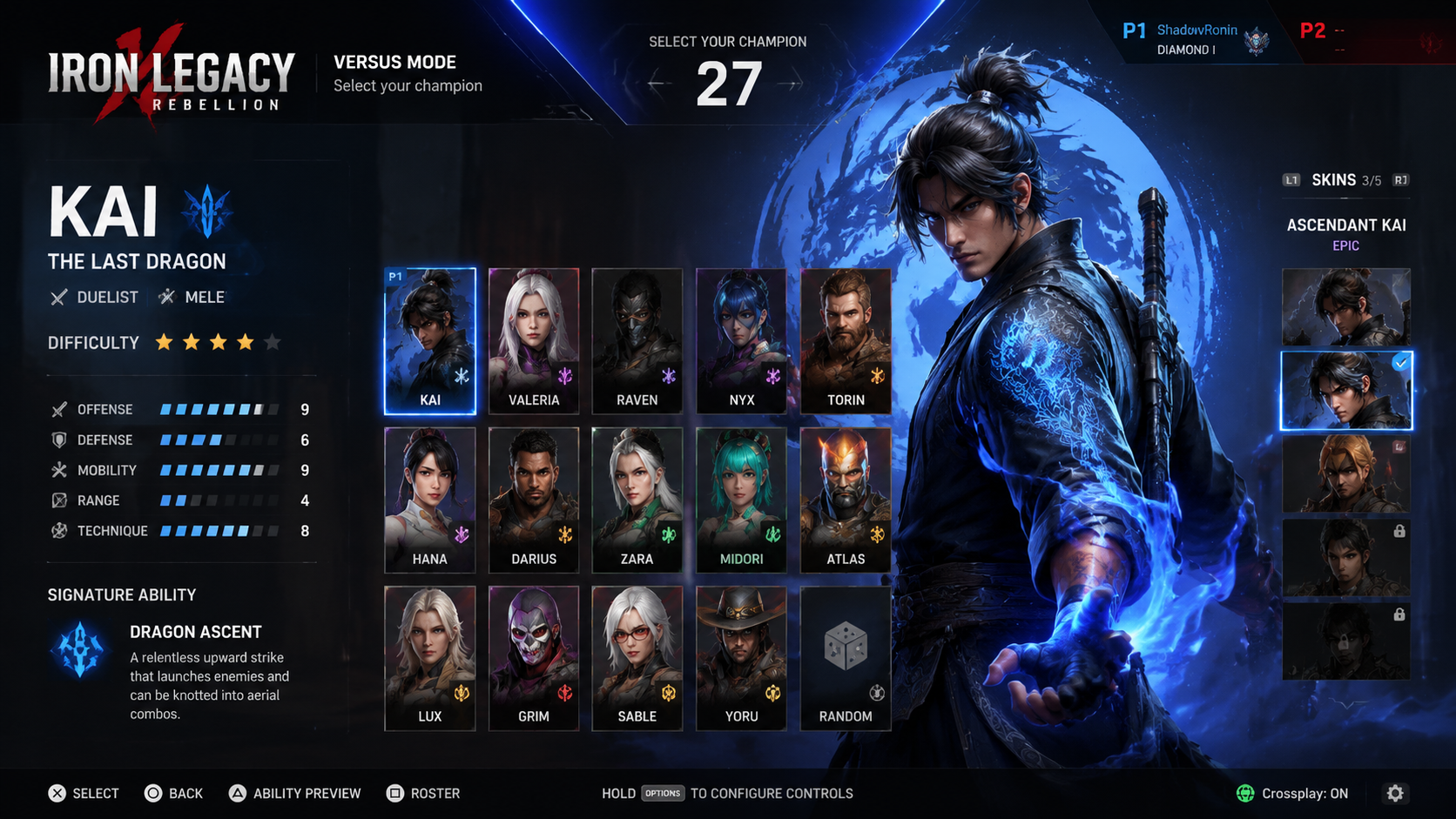
Refining a generated clip in Kling 4

Refine

Adjust the take

Ask for a different move, a slower reveal, or a tighter crop — Kling 4 revises the shot without resetting it.

Build a clear creative brief

A practical way to start with Kling 4

Make the important choices explicit, review the take against your brief, and use your preferred result as the basis for another shot.

01

State the purpose

Describe what the clip should communicate and where it will run. A product reel, a social hook, and a mood film need different pacing and framing.

02

Assign each reference a role

Explain which image defines the subject or character and which supplies the style. For image-to-video, pick the still that anchors the first frame.

03

Choose framing and length

Select the duration and aspect for the placement. Name the focal point, the camera move, and any beat the action needs to hit.

04

Review, refine, and save

Check motion continuity, faces, and product details across the clip. Refine the take, then download the version that fits your edit.

From a creative brief to a usable clip

Where Kling 4 can help

Choose a task with a clear visual objective. Kling 4 gives creators, studios, marketers, and product teams more ways to explore it.

01

Product and brand films

Develop hero shots, seasonal spots, and detail reveals from a product reference. Keep the product recognizable while exploring setting and light.

02

Short-form social video

Prepare hooks, loops, and promo cuts for Reels, Shorts, and TikTok — vertical formats included.

03

Concept and previz

Board scenes, test camera moves, and pitch looks before a shoot. Explore directions at a fraction of production cost.

04

Character-driven stories

Develop recurring subjects across scenes and moods. Use references and a consistent brief to guide visual continuity.

05

Music and mood pieces

Turn an aesthetic or a lyric into an atmospheric clip — texture, color, and motion composed from words.

06

Photo-to-video revival

Bring an existing still or product photo to life with subtle motion — steam, light shifts, fabric in the wind.

Useful answers before you create

Kling 4 FAQ

Understand the model, prepare better references, and choose a practical approach to your next clip.

01What is Kling 4?
Kling 4 is an AI video generation model in the Kling family developed by Kuaishou. It improves on earlier Kling releases with stronger motion quality, prompt adherence, and subject consistency. Its uses include cinematic shots, product films, social clips, and concept previz.
02What is different from earlier Kling versions?
Kling 4 improves motion realism, camera control, and multi-shot consistency. Action reads more clearly, transitions are steadier, and reference-guided shots hold identity better.
03Does Kling 4 support image-to-video?
Yes. Supply a start frame or references and the model animates the scene while keeping the subject, palette, and lighting recognizable.
04How long can a Kling 4 clip be?
Standard takes run 5 or 10 seconds depending on the engine and settings — ideal for social cuts, beats in a longer edit, or stitched sequences.
05How should I describe a shot?
Name the subject and action first, then the camera: a slow push-in on a steam-warmed cup, an orbit around the product, a tracking shot through the market. Clear verbs and one camera move per shot work best.
06Can Kling 4 keep a character consistent?
Use a clear reference and name the defining features — face, hair, clothing, silhouette. Reuse the same reference across shots and inspect each take for drift.
07Does it generate audio?
The studio supports sound-aware generation where the workflow calls for it. Check the audio option in the panel for the model you choose.
08What about still images?
The same studio hosts frontier image models — GPT Image 2.5, GPT Image 2, and Seedream 5 Pro — for thumbnails, posters, and frames you later animate.
09What should I check before publishing a clip?
Review motion continuity, faces, hands, product details, and any on-screen text. Kling 4 accelerates the creative workflow, but a final review remains part of shipping a video.
10How do I begin on Kling 4?
Open Create, write a shot brief, and add a start frame if needed. You can prepare your prompt before signing in — sign in to generate and save your work. Review the model, settings, and credit charge before submitting, and compare plans on the pricing page.

Congratulazioni! Hai sbloccato prezzi speciali

FINO AL 50% DI SCONTO

Termina tra

Prezzi di Kling 4 AI

Abbina il piano a quanto crei spesso: crediti ricorrenti per un flusso regolare o un pacchetto unico per un progetto definito.

Annulla quando vuoi

Per domande su pagamenti o piani, contatta il nostro supporto: Contatta il supporto

Paga in sicurezza con

UnionPayStripeMore >>

Rivedi fatturazione, crediti condivisi, cancellazione e validità prima di scegliere un piano Kling 4 AI.

Capisci il piano prima di pagare

Understand the model, prepare better references, and choose a practical approach to your next clip.

01Qual è la differenza tra abbonamento e pacchetto di crediti?
Gli abbonamenti sono pensati per la creazione continua e includono un’assegnazione ricorrente di crediti. I pacchetti sono acquisti unici senza addebito ricorrente — flessibili per progetti occasionali.
02Come funziona la fatturazione annuale?
I piani annuali mostrano il prezzo mensile equivalente per il confronto, ma l’intero importo annuale viene addebitato una volta all’anno. La tua assegnazione annuale è disponibile per il periodo del piano.
03Come funziokling i crediti tra i modelli?
I crediti sono condivisi tra i modelli abilitati nello studio. Il costo varia per modello e impostazioni (risoluzione, riferimenti); controlla l’addebito esatto prima di inviare.
04Posso disdire in qualsiasi momento?
Sì, dalle impostazioni di fatturazione. La disdetta ferma i rinnovi futuri; il piano attuale resta disponibile fino alla fine del periodo pagato.
05Quanto durano i crediti di un pacchetto?
365 giorni dalla data di acquisto.
06Posso usare i contenuti generati commercialmente?
Sì. Piani e pacchetti a pagamento supportano progetti personali e commerciali, nel rispetto dei termini applicabili e dei tuoi diritti sul materiale caricato.
07Quante generazioni possono girare in contemporanea?
Gli account gratuiti eseguono 1 batch alla volta. Pacchetti validi e Starter ne permettono 2, Pro 4 e Premium 8. Contano i batch in attesa e in corso, sia su immagini che su video.

Paga in sicurezza con

UnionPayStripeMore >>

Make the next idea move

Start your next shot on Kling 4

Bring a start frame, a character, or a clear scene brief. Explore a take, refine the move, and save a clip that fits your edit.